Connect with us

Saints

Saint Abercius of Hieropolis

Saint Abercius of Hieropolis

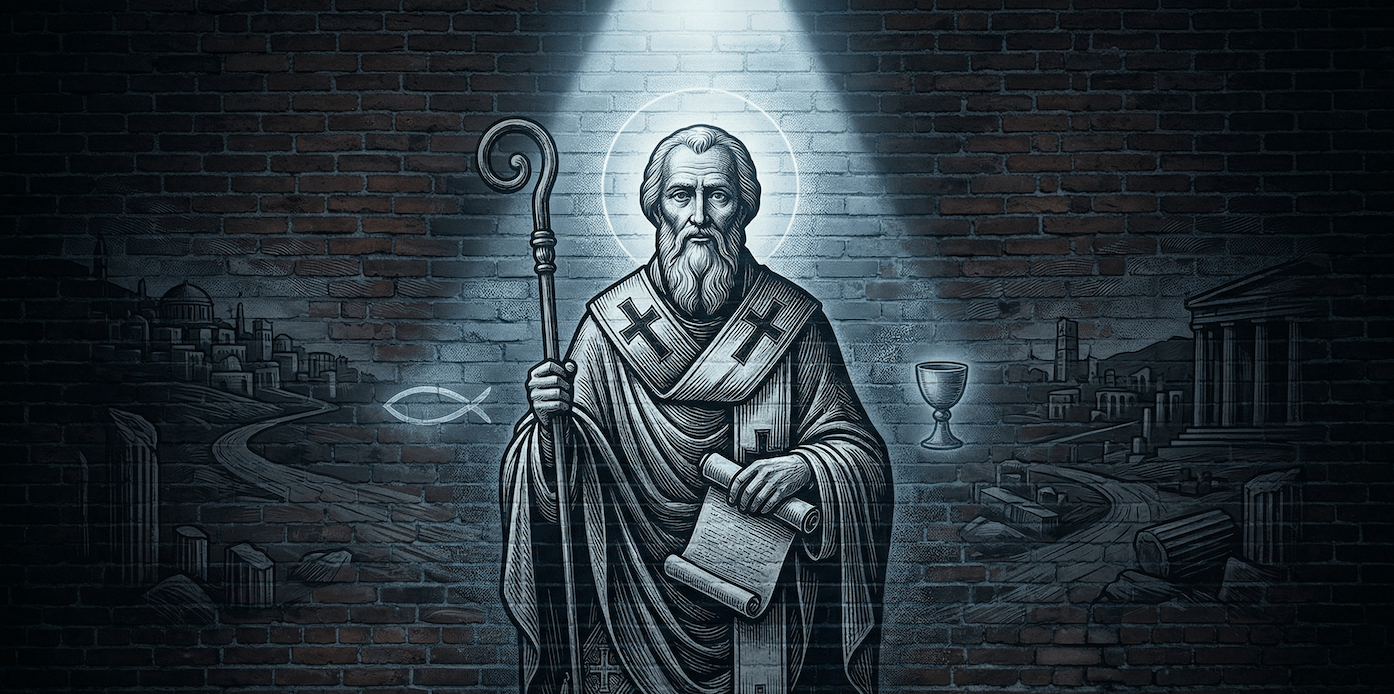
The Remarkable Journey of Saint Abercius of Hieropolis

In the constellation of Christian saints, the light of Saint Abercius of Hieropolis shines brightly, illuminating a tale of faith, leadership, and divine devotion.

The Legacy of Saint Abercius of Hieropolis

Saint Abercius’s enduring legacy is multifaceted. As a bishop, he left an indelible mark on the Christian community of Hieropolis. His inscribed epitaph, beyond its archaeological significance, offers a unique window into early Christian beliefs, practices, and the interconnectedness of Christian communities across regions.

The Eastern Orthodox and Roman Catholic Churches commemorate Saint Abercius, honoring him as one of the early luminaries of the Christian faith. His feast day, celebrated on October 22nd, serves as a reminder of his contributions to Christian theology, liturgy, and the broader spiritual fabric of the early church.

The biography of Saint Abercius of Hieropolis is not just a tale of an individual but a reflection of the broader Christian community during its formative years. His life, marked by leadership, scholarship, and profound devotion, continues to inspire and guide believers, underscoring the timeless essence of faith.

Where Did Saint Abercius of Hieropolis Live?

Saint Abercius hailed from Hieropolis, a significant city located in Phrygia, a region in the western part of modern-day Turkey. Hieropolis was known for its hot springs and as a center for early Christian activity, with a rich heritage blending various cultures and traditions.

Life and Times

Living in the 2nd century AD, Abercius wore many hats: a bishop, an apologist, and a wonderworker. As the bishop of Hieropolis, he played a crucial role in nurturing and expanding the burgeoning Christian community in his region.

Abercius is perhaps best known for an inscribed marble slab, often referred to as the “Abercius Inscription” or “Phrygian Monument.” This inscription, believed to be an autobiographical funerary epitaph, serves as one of the earliest and most interesting Christian archaeological findings. It cryptically describes his faith journey, the universality of Christianity, and possibly even a pilgrimage to Rome.

Age of Death and Total Years Living

Based on historical records and the Abercius Inscription, it’s inferred that Saint Abercius lived to be around 72 years old. While the exact details of his birth are not pinpointed, his life in the 2nd century AD and the data from the inscription help piece together this approximation.

Continue Reading

Saints

Saint Abraham of Smolensk

Saint Abraham of Smolensk

Saint Abraham of Smolensk: A Voice of Repentance in a Troubled Age

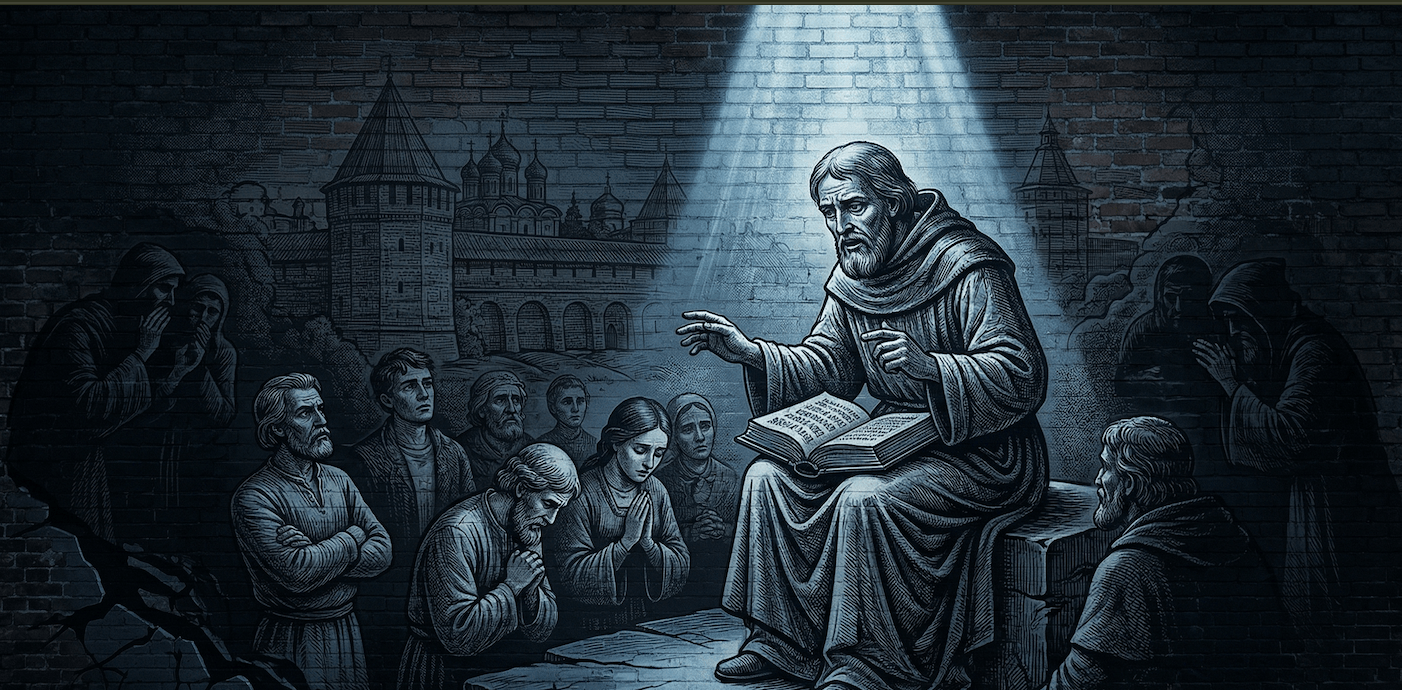
Saint Abraham of Smolensk is remembered as a devoted monk and preacher who called people to repentance during a spiritually challenging time in medieval Rus’. Known for his deep asceticism and unwavering commitment to truth, he spoke boldly about sin and the need for conversion. His message, though not always welcomed, reflected a profound love for God and concern for souls. Today, he stands as a powerful example of courage, humility, and faithfulness.

The Legacy of Saint Abraham of Smolensk

The legacy of Saint Abraham lies in his fearless preaching and dedication to spiritual renewal. He emphasized repentance, humility, and the importance of living a life aligned with the Gospel. Though he faced opposition—even from within the Church—his perseverance ultimately led to recognition of his holiness. His life continues to inspire those who seek to live with integrity and remain faithful to God’s truth, even in the face of criticism.

Saint Abraham of Smolensk Was Born in the 12th Century

Saint Abraham was born around the mid-12th century in Smolensk, a prominent city in medieval Rus’. While details of his family are limited, he is believed to have come from a relatively well-off background, which allowed him access to education and spiritual formation. From an early age, he showed a deep interest in religious life and sacred learning.

As a young man, Abraham chose to renounce worldly comforts and enter monastic life. He embraced a path of strict asceticism, dedicating himself to prayer, fasting, and the study of Scripture. His spiritual discipline and insight soon made him known among his peers as a man of deep faith and conviction.

Over time, he began preaching publicly, urging people to turn away from sin and live lives of repentance. His message, though rooted in the Gospel, was often seen as severe, and it brought him into conflict with some members of the clergy. Despite this opposition, he remained steadfast in his mission, trusting in God’s guidance.

The Feast Day of Saint Abraham of Smolensk

The Church commemorates Saint Abraham of Smolensk on August 21. His feast day is observed in the Eastern Orthodox tradition, where he is honored as a righteous monk and spiritual teacher. The day serves as a reminder of the enduring call to repentance and the importance of remaining faithful to God’s truth.

Saint Abraham of Smolensk Died at an Unknown Age

Saint Abraham died in the early 13th century, around the year 1222, after a life devoted to prayer, teaching, and spiritual reform. Although the exact circumstances of his death are not well documented, it is believed that he passed away peacefully after years of faithful service. His later life saw a growing recognition of his holiness, even among those who had once opposed him.

His legacy endures as a witness to the power of truth spoken with conviction and humility. Saint Abraham of Smolensk reminds us that genuine faith often requires perseverance, especially when it challenges others. His life calls us to seek repentance, embrace humility, and remain steadfast in our commitment to God, no matter the cost.

Continue Reading

Saints

Saint Abraham of Rostov

Saint Abraham of Rostov

Saint Abraham of Rostov: The Apostle to the Pagans of Northern Rus’

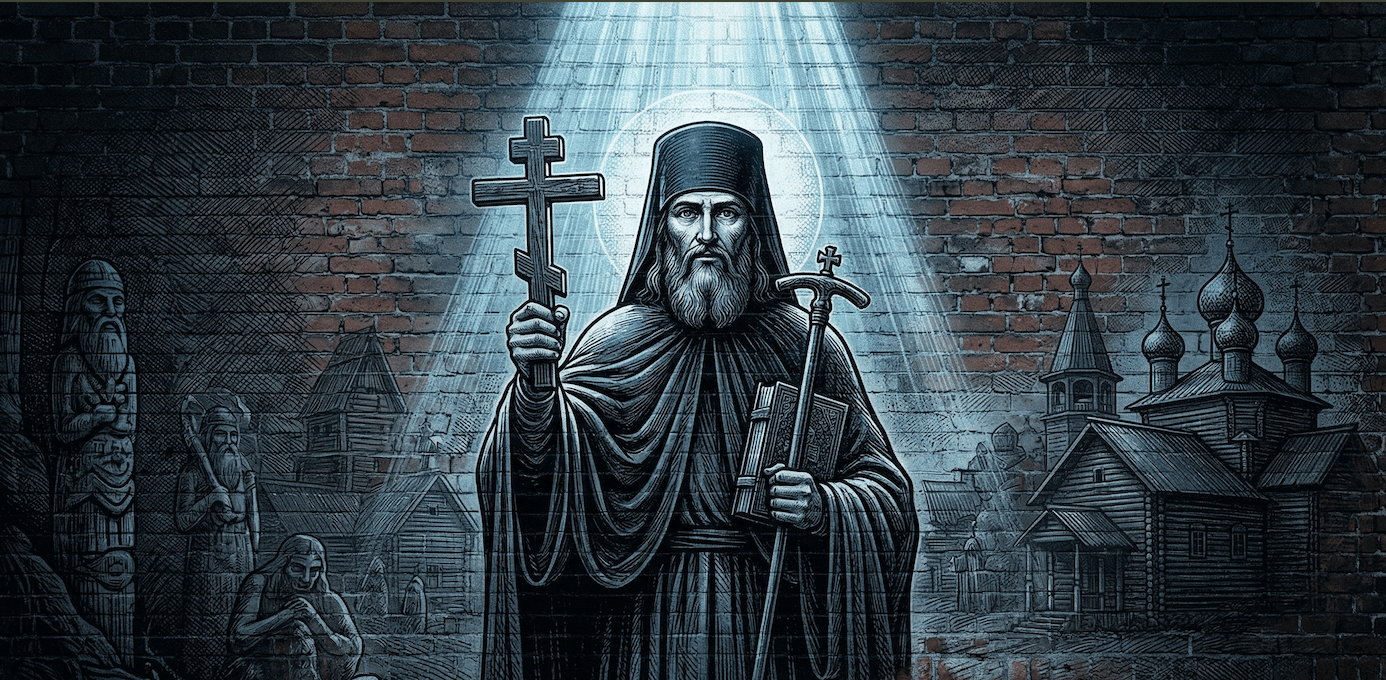
Saint Abraham of Rostov is remembered as a courageous missionary who brought the light of Christianity to a region deeply rooted in pagan traditions. Living during the early Christianization of Rus’, he devoted his life to preaching the Gospel and guiding others toward Christ. His fearless efforts to confront idolatry and establish Christian worship left a lasting spiritual mark. Today, he is honored as a pioneer of faith and a model of missionary zeal.

The Legacy of Saint Abraham of Rostov

The legacy of Saint Abraham lies in his transformative work among the pagan peoples of Rostov. Through perseverance and faith, he helped replace idol worship with Christian belief, even in the face of resistance. He is especially remembered for destroying a prominent pagan idol and building a church in its place. His work laid a foundation for the growth of Christianity in northern Rus’, making him a key figure in the region’s spiritual history.

Saint Abraham of Rostov Was Born in the 10th Century

Saint Abraham was born in the late 10th century, likely in a region of northeastern Rus’ where paganism was still widely practiced. Details about his family and early upbringing have not been preserved, but it is known that he was not originally a Christian. Like many of his contemporaries, he would have grown up surrounded by traditional Slavic religious customs.

At some point in his early life, Abraham experienced a profound conversion to Christianity. This turning point reshaped his entire path, leading him to embrace a life of faith and service. Inspired by the Gospel, he chose not only to follow Christ personally but also to share that faith with others who had not yet encountered it.

He eventually settled in Rostov, an important center in early Rus’, where pagan practices remained strong. There, he began his mission of preaching, teaching, and guiding the local population toward Christianity, despite significant opposition from those attached to traditional beliefs.

The Feast Day of Saint Abraham of Rostov

The Church commemorates Saint Abraham of Rostov on October 29. His feast day is especially observed in the Eastern Orthodox tradition, where he is honored as a missionary saint. The day serves as a reminder of the courage required to spread the Gospel and the enduring impact of faithful witness in challenging environments.

Saint Abraham of Rostov Died at an Unknown Age

Saint Abraham died in the 11th century, after dedicating much of his life to missionary work in Rostov. While the exact circumstances of his death are not well documented, it is believed that he passed away peacefully after years of service to the Church. His efforts had already begun to bear fruit, as Christianity continued to grow in the region he helped evangelize.

His legacy lives on through the Christian communities that took root because of his work. Saint Abraham of Rostov reminds us that true faith calls for courage, persistence, and a willingness to stand firm in the face of opposition. His life encourages us to share the light of Christ boldly, trusting that even the most difficult hearts can be transformed by grace.

Continue Reading

Saints

Saint Abadiu of Antinoe (Abadius)

Saint Abadiu of Antinoe (Abadius)

Saint Abadiu of Antinoe: The Soldier Who Chose Christ Above All

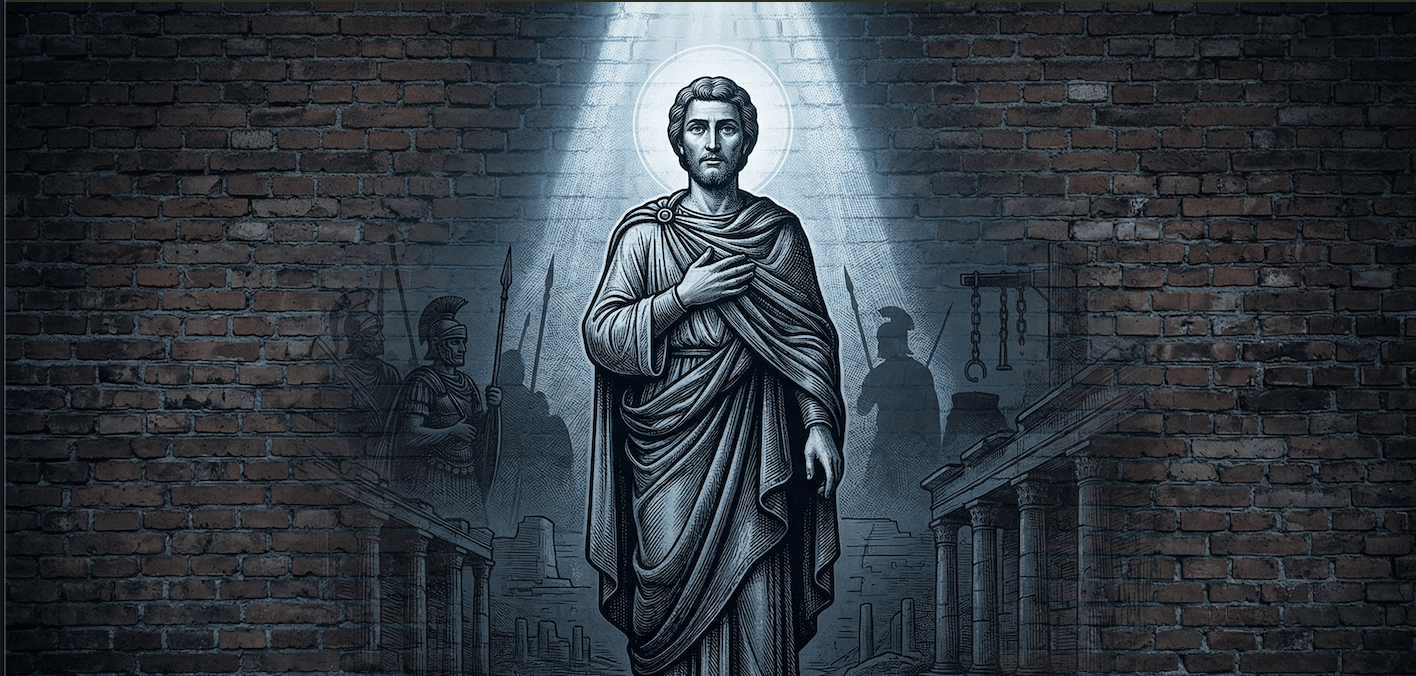
Saint Abadiu of Antinoe, also known as Abadius, is remembered as a courageous Christian martyr who lived during a time of intense persecution. A soldier by profession, he chose faithfulness to Christ over loyalty to earthly իշխան, even at the cost of his life. His witness stands as a powerful example of conviction, sacrifice, and unwavering belief. Today, he is honored as one of the early martyrs who strengthened the Church through his courage.

The Legacy of Saint Abadiu of Antinoe

Saint Abadiu’s legacy is rooted in his bold confession of faith during the Roman persecutions of Christians. As a member of the military, his conversion and refusal to renounce Christianity carried great personal risk. His martyrdom became a testimony to the triumph of spiritual allegiance over worldly power. Through his sacrifice, he continues to inspire believers to remain steadfast in faith, even under pressure or threat.

Saint Abadiu of Antinoe Was Born in an Unknown Year

Saint Abadiu was born in Antinoe (modern-day Antinopolis in Egypt), though the exact date of his birth is not recorded. He lived during a time when Christianity was still spreading throughout the Roman Empire, often in the face of hostility and persecution. Details of his family background and early upbringing have not been preserved in historical records.

What is known is that Abadiu became a soldier, serving within the Roman military structure. This position would have required loyalty to the emperor and participation in practices that conflicted with Christian belief. At some point in his life, he embraced Christianity, a decision that would ultimately define his destiny.

His turning point came when he openly professed his faith, refusing to participate in pagan rituals or deny Christ. This act of courage set him on a path toward martyrdom, marking him as a witness to the strength of Christian conviction in a hostile environment.

The Feast Day of Saint Abadiu of Antinoe

The Church commemorates Saint Abadiu on March 31. His feast day is especially honored within Eastern Christian traditions, where the memory of early martyrs holds deep spiritual significance. It serves as a reminder of the cost of discipleship and the enduring power of faith in the face of persecution.

Saint Abadiu of Antinoe Died at an Unknown Age

Saint Abadiu suffered martyrdom in the early 4th century AD, during one of the periods of Roman persecution against Christians. While the exact details of his death are not fully documented, it is known that he was executed for refusing to renounce his faith. His death reflects the harsh realities faced by early Christians who chose fidelity to Christ above all else.

Though little is known about the final moments of his life, his legacy endures through the Church’s veneration and the memory of his witness. Saint Abadiu reminds us that true faith demands courage and perseverance, even when faced with great sacrifice. His life calls us to stand firm in our beliefs, trusting that faithfulness to God is always worth the cost.

Continue Reading

Trending