Connect with us

News

Leveling Up: How Christian Colleges Are Revolutionizing Video Game Degrees

Christian College video games degrees

Christian Colleges Video Game Degrees | August 17, 2023 | Today, numerous Christian educational institutions are offering specialized courses in video game design, integrating religious perspectives with the curriculum. At Messiah University, students are taught to bring Christian values into the digital universes they develop. Abilene Christian University encourages its students to innovate in the realm of digital entertainment, guided by faith-based teachings.

Oklahoma Christian University has seen a surge in the enrollment for its gaming courses over recent years. Biola University recognized the potential of this domain and transformed its game design concentration into a full-fledged major. The aim? To train students to perceive gaming as both a platform for narrative art and a mission.

Michael Steffen, the lead of Biola’s program, believes that powerful mediums like video games are essential platforms for Christian messaging. While technical skills are vital, Biola emphasizes narrative elements in games, focusing on stories, character development, and underlying themes that players can connect with.

Aiden Arrendondo, an upcoming graduate from the program, sees the potential of video games as a novel avenue to spread Christian teachings. He recently attended a conference centered on Christian game development, emphasizing the divine gift of creativity and its potential in the gaming world.

Brock Henderson, CTO and co-founder of PxlPug, emphasizes the teachings of Jesus about self-love and love for neighbors. He also mentions Jesus’ call to be “the salt and light” in the world and references the call in Genesis to create and cultivate.

Henderson believes that given the powerful cultural impact of video games, they stand as this era’s most influential art form, deserving earnest attention.

As video games gain cultural momentum, Christians have shown a diverse range of reactions. Some Christian institutions have embraced the growing trend of esports, viewing them as potential platforms for outreach and ministry.

In recent years, games providing a virtual experience of walking in Jesus’ shoes have emerged. However, Christian game designers aren’t limited to explicitly religious themes. Their games can hint at broader moral values or depict the eternal tussle between good and evil without directly referencing biblical narratives.

Biola’s game design course equips students to identify and incorporate Christian perspectives into mainstream games. A game developed by a student, named Surface Runner, subtly weaves in Christian narratives. The game’s AI protagonist is influenced by voices, resembling the idea of divine guidance and external temptations.

Michael Steffen of Biola emphasizes the importance of prioritizing the player’s experience, suggesting that true service lies in directing players towards higher truths. Reflecting on the gaming industry’s practices, he suggests that love can be shown by genuinely considering the team’s well-being.

Henderson concurs, cautioning against games solely driven by profit motives, urging developers to prioritize players’ genuine experiences over mere monetization.


News

Why Liturgy Took A Back Seat At The Vatican’s First Consistory On Synodality

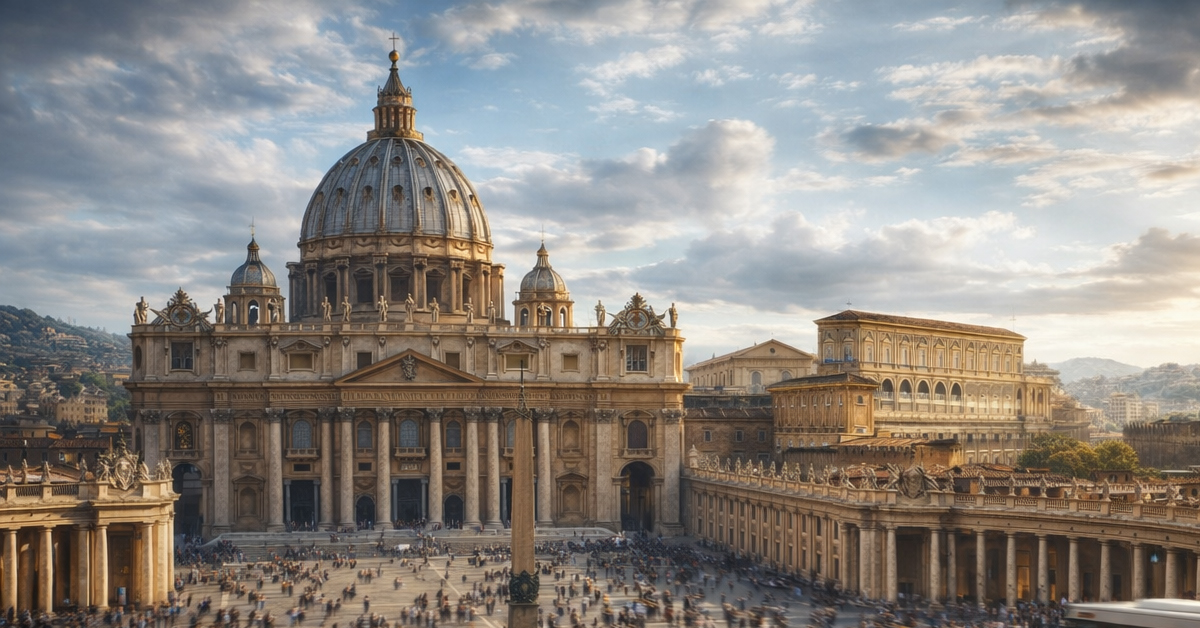
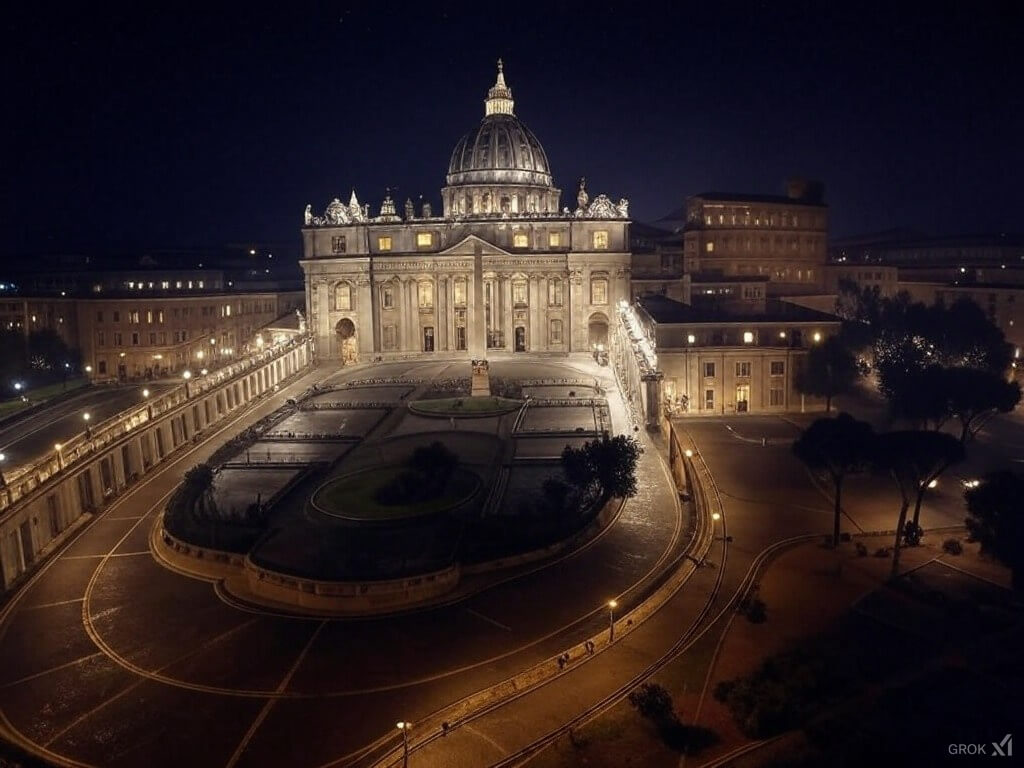
Vatican Consistory Synodality

What happened at the consistory

Pope Leo XIV convened his first Extraordinary Consistory of cardinals on January 7–8, 2026 to foster shared reflection and counsel on key issues facing the Church early in his pontificate. He outlined four themes that could be discussed:

  • Evangelii Gaudium (the mission of the Church in today’s world)
  • Praedicate Evangelium (the reform of the Roman Curia)
  • Synod and synodality (as both instrument and style)
  • The liturgy (described as “the source and summit of Christian life”)

However, because of time constraints and to allow deeper discussion, Pope Leo said only two of the four topics would be debated in depth. The cardinals were asked to choose which ones they wanted to focus on. According to Vatican spokesman Matteo Bruni, a large majority selected:

  • Evangelization and the Church’s missionary activity
  • Synod and synodality

Why the liturgy was “sidestepped”

Because the cardinals prioritized evangelization and synodality for detailed group work, the liturgy did not become one of the two focus topics at this stage of the consistory. That outcome has led some observers—especially those devoted to the traditional Roman rite—to express concern that the liturgy has been effectively sidelined in this meeting, even though it remains on the broader agenda.

Vatican officials stressed that the liturgy isn’t excluded permanently and could still arise in discussions or be integrated into the other topics, but it won’t be one of the primary subjects discussed in depth during this consistory.

Broader context

Pope Leo’s consistory comes in the context of ongoing initiatives in the Church:

  • The Synod on Synodality (a multi-year process launched under Pope Francis to enhance communion and participation in the Church) has been a major focus of recent years, and its relevance helps explain why “synodality” was chosen for deeper reflection now.
  • Liturgy has been a sensitive and sometimes contentious topic, especially among Catholics devoted to the Traditional Latin Mass and older forms of worship. The way liturgical reforms and discussions have been handled in recent years has been a point of tension in some circles. (That background helps explain why some faithful had hoped it would be a central topic.)

What this means

While the liturgy remains part of the consistory’s overall agenda, it will not be the primary focus of the group’s deep discussions at this stage. Instead, cardinals will dedicate most of their time to reflecting on how the Church carries out its mission and on how synodality—as a collaborative and listening approach—can shape governance and pastoral life.

Continue Reading

News

Mel Gibson Calls ‘The Passion of the Christ’ Sequel “An Acid Trip”

Mel Gibson Calls ‘The Passion of the Christ’ Sequel “An Acid Trip”

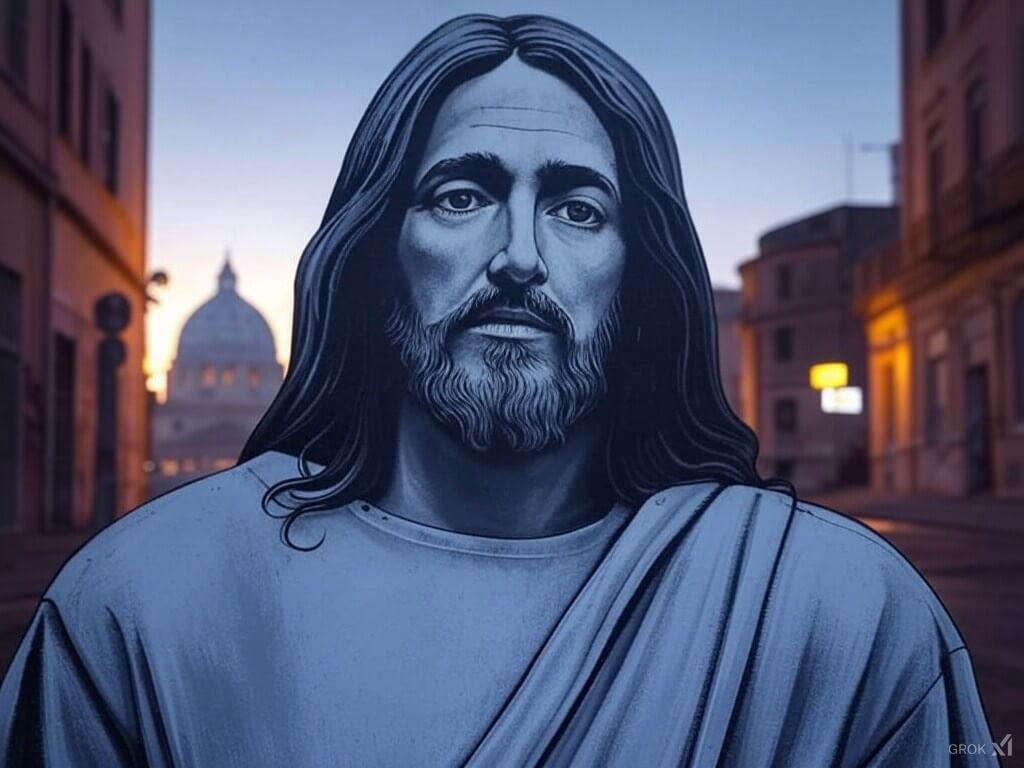
Mel Gibson is back with a bold vision, revealing details about the long-anticipated sequel to The Passion of the Christ—and it’s going to be, as Gibson himself puts it, “an acid trip.” Titled The Resurrection of the Christ, the film picks up where the 2004 epic left off, with Jim Caviezel returning as Jesus, thanks to some CGI de-aging magic.

Gibson, speaking on The Joe Rogan Experience, shared that the script, co-written with his brother Randall Wallace, has been seven years in the making. It’s “super ambitious,” exploring everything from “the fall of the angels to the death of the last apostle.” According to Gibson, that means venturing into realms like Sheol and even hell itself, promising a story that’s anything but ordinary.

While admitting the project will be challenging, Gibson says he’s ready to step up to the plate. “I’m not wholly sure I can pull it off, to tell you the truth,” he confessed. “But I’ll take a crack at it.” With a potential release next year, this promises to be a cinematic experience unlike any other! Stay tuned for updates on this monumental journey.

For the full story, visit Relevant Magazine.

Continue Reading

News

Conclave Writer Responds to Megyn Kelly’s ‘Anti-Catholic’ Claim

Megyn Kelly Conclave

At the 2025 Golden Globes, Conclave screenwriter Peter Straughan responded to Megyn Kelly’s fiery critique calling the film “the most disgusting anti-Catholic film I have seen in a long time.” Straughan countered, saying, “I don’t think the film is anti-Catholic,” emphasizing its message about preserving the Church’s spiritual essence—something he considers deeply Catholic.

Director Edward Berger chimed in, explaining the film wasn’t intended as a “takedown” but as a human portrayal of Church leaders, highlighting their struggles and conscience. He welcomed the debate, noting that controversy can lead to meaningful conversations.

Now streaming on Peacock, Conclave dives into the drama of a papal election, unpacking themes of faith, power, and human imperfection. The film’s take on the Church has sparked heated discussions among viewers and critics alike.

For the full story, visit People.

Continue Reading

Trending